Blog Post
Home / Our Blog / Blog Post
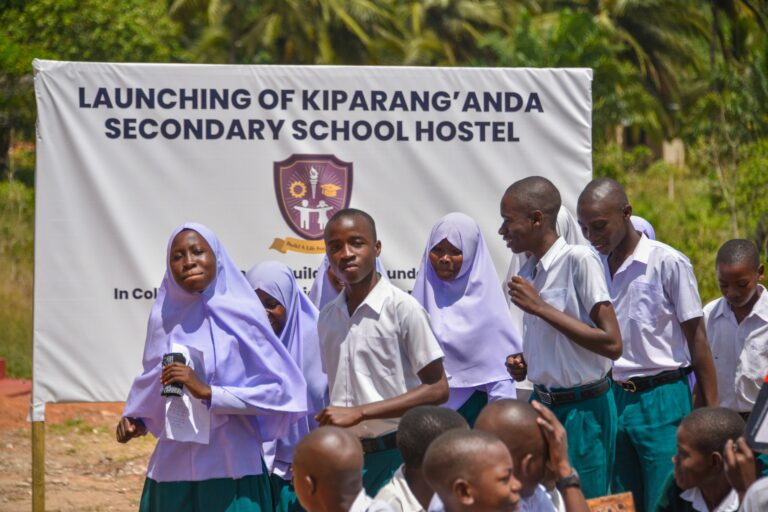
Kiparang’anda Girls' Hostel Launched: A New Chapter in Empowering Girls' Education
The newly launched girls’ hostel at Kiparang’anda Secondary School in Mkuranga District, Pwani Region,
is a shining example of how creating supportive living environments can transform education for young
girls. Sponsored by Build a Life Foundation (New York) and coordinated by the African Reflections
Foundation (ARF), the hostel provides 80 girls with a safe and secure space to focus on their studies, free
from the challenges that often hinder their education in rural Tanzania.
For many girls in these regions, the barriers to education are significant. Long walks to school, household
chores, and social risks such as early marriages and unexpected pregnancies frequently result in lower
academic performance and higher dropout rates. The Kiparang’anda hostel aims to address these issues,
allowing girls to dedicate their energy and time to their studies without the distractions of daily travel or
domestic responsibilities.
The Impact of ARF’s Girls’ Hostel Initiative
ARF’s Girls’ Hostel Initiative was designed to combat the challenges faced by girls in rural areas by providing them with a conducive living environment. The initiative proved its worth in 2023 with the success of the first girls’ hostel at Mwarusembe Secondary School. After just one year of operation, the impact on academic performance was significant
- Division Zero: 52 students
- Division Four: 44 students
- Division Three: 1 student
- Division Two: 0 students
- Division One: 0 students
- Division Zero: 12 students
- Division Four: 51 students
- Division Three: 2 students
- Division Two: 6 students
- Division One: 0 students
A safe haven for academic growth
The Kiparang’anda hostel builds on the success of the Mwarusembe project by offering similar benefits to its residents.
Designed to create a comfortable and focused environment for learning, the Kiparang’anda hostel is equipped with:
- -Comfortable sleeping areas with beds and mattresses for all 80 residents
- -Toilets and laundry facilities to reduce the time spent on chores and ensure hygiene
- -A 24-hour water supply for the students’ daily needs
- -Reliable electricity to support study sessions and create a safe, well-lit space
These facilities provide the girls with the freedom to fully immerse themselves in their education, without the physical and emotional strains of long-distance travel and household obligations.
Collaboration for a Brighter Future
The successful launch of the Kiparang’anda Girls’ Hostel is the result of a powerful collaboration between
ARF and Build a Life Foundation (New York). Together, they are committed to empowering young girls
in rural Tanzania by improving their access to quality education. By providing safe and supportive living
conditions, ARF and its partners are helping to ensure that girls can focus on their education and unlock
their full potential.
The transformative results at Mwarusembe show that supportive environments can drastically improve
educational outcomes. The Kiparang’anda hostel is expected to continue this trend, offering its residents
the chance to break down the barriers to their education and build a brighter future for themselves and their
communities.
As ARF expands its Girls’ Hostel Initiative, the vision of empowering girls through education continues to
inspire hope and opportunity for young women across Tanzania. The ripple effect of this work will not only
change the lives of individual students but also uplift entire communities for generations to come.