Solar Powered Wells Projects.
Building new wells and renovating existing ones to provide sufficient clean water to communities.
SOLAR POWERED WELLS
Creating irrigation systems for our farms and out-growers to overcome water-related challenges in agriculture.
IRRIGATION SYSTEMS
Collaborating with institutions to provide training and capacity-building on clean water, sanitation, and hygiene
SANITATION & HYGEINE

137+
Wells Funded

1,500,000+
People Served

100+
Villages Reached
Through our water wells projects, ARF our aims to address the critical issue of water scarcity and our impact on education, health, and overall community development. The African Reflections Foundation has undertaken a commendable initiative in Tanzania by implementing over 50 water wells project. These projects aim to provide access to clean and safe drinking water to communities and schools in need. The foundation’s efforts have had a significant impact on improving the quality of life for many Tanzanian individuals and communities
Our Dedication
ARF is dedicated to improving access to clean water in schools and communities across Tanzania. Through our water wells projects, ARF our aims to address the critical issue of water scarcity and our impact on education, health, and overall community development. The African Reflections Foundation has undertaken a commendable initiative in Tanzania by implementing over 136 water wells projects .
Our Impact Through Well Drilling
We build water wells and drill boreholes to provide groundwater for people and their animals. Groundwater solutions improve health and wellbeing in communities. With clean water readily available, people don’t have to risk consuming contaminated surface water. Giving communities easy access to clean water also means people don’t have to walk long distances to find and fetch water. It saves them time, which women can better spend working and caring for their families, and children can use to learn. Before we start building, ARF staff conduct field research with the local community. This helps us better understand prevailing conditions as well as the means and needs of the people who live there. Only then do we plan our interventions This is how we ensure that the water wells we provide are suitable and beneficial in the long term ARF works to eradicate the negative effects of recurrent droughts and famine; builds disaster preparedness; and addresses ongoing challenges that rural communities face.
Why Water?
Before the implementation of water wells projects by ARF, schools and communities faced numerous challenges related to water scarcity. Many schools and communities relied on distant water sources such as rivers, ponds, or unprotected wells. These sources were often contaminated, leading to health issues. We have been able to end this and achieved success in the below sectors.
Health Benefits
The provision of clean water has had a profound impact on the health of individuals within the communities. Reduced waterborne diseases have led to improved overall health, reduced mortality rates, and increased productivity
Enhanced Education Opportunities
With the availability of clean water within schools, students no longer have to spend valuable time fetching water. This has resulted in increased attendance rates, improved concentration, and enhanced educational outcomes
Improved Access to Clean Water
The primary achievement of ARF’s water wells projects is the provision of reliable access to clean and safe drinking water for schools and communities. This has significantly reduced the e
Community Empowerment
By introducing water projects in schools, ARF not only benefits the immediate school community but also we creates a ripple effect throughout the wider community. Improved access to clean water encourages community members to adopt better hygiene practices and promotes sustainable development.
Success Story
Hygiene Promotion
Water projects in schools provide an opportunity to educate students about proper hygiene practices such as handwashing and sanitation. These practices contribute to disease prevention and overall well-being.
Community Empowerment
By introducing water projects in schools, ARF not only benefits the immediate school community but also we creates a ripple effect throughout the wider community
Education Success
With the availability of clean water within schools, students no longer have to spend valuable time fetching water. This has resulted in increased attendance rates, improved concentration, and enhanced educational outcomes.
Community Development
Access to clean water is essential for various aspects of community development, including agriculture, sanitation, hygiene practices, and economic activities. By addressing water scarcity, ARF aims to improve overall living conditions and promote sustainable development
Many regions in Tanzania especially Pwani region Mkuranga district our subject area face severe water scarcity, with limited access to clean and safe drinking water. The provision of clean water has had a profound impact on the health of individuals within the communities. Reduced waterborne diseases have led to improved overall health, reduced mortality rates, and increased productivity.
List of Drilled Wells
| YEAR | PROJECT NAME | SPONSOR NAME |
|---|---|---|
|
2009 |
Mwarusembe Village St Francis Clinic |
Drilling for Hope Drilling for Hope |
|
2010 |
Kisele Primary School Uzizi village Kisemvule Village Mwandege (Kwa Azizi) |
Drilling for Hope Drilling for Hope REA Drilling for Hope |
|
2011 |
Mkamba Primary School Mwasonga Village Kisarawe 2 Dispensary |
Drilling for Hope REA Drilling for Hope |
|
2012 |
Mkokozi Primary School Kwachale Village Kimbiji Golani Village |
Drilling for Hope Drilling for Hope Drilling for Hope |
|
2013 |
Mbezi Kitomondo Dispensary Mkugilo Secondary School Kisarawe 2 Clinice Kitomondo Dispensary Mbezi Msufini Dispensary Nyatanga Dispensary |
Drilling for Hope Drilling for Hope The Sky Is Not Limited The Sky Is Not Limited Drilling for Hope |
|
2014 |
Dundani Primary School Magoza Dispensary Vianzi Primary School Mdimuni Dispensary Kiguza Primary School Tambani Sec School Malela Primary School Ngunguti Primary School Tengelea Secondary School |
International School of Paris Drilling for Hope Drilling for Hope Flahive Family - New York The Sky Is Not Limited The Sky Is Not Limited SHIRIN PUNJA (SAANIA & MIKAEL Matt & Tracy Moore The sky is not the limit |
|
2015 |
Kiparang'anda Primary School Misasa Primary School Lukanga Dispensary Malela Primary School Chanika Orphans Centre Kisima Secondary School |
Friends in the USA - Saragota Springs The Campbell Family - USA HRG - Bon Voyage Saania & Mikall The sky is not the limit The sky is not the limit |
| YEAR | PROJECT NAME | SPONSOR NAME |
|---|---|---|
|
2023 |
The Sky is not the Limit |
|
|
2022 |
Maridhiano Group(Zanzibar) Tungalipo Group (Zanzibar) Mwarusembe Sec School Magoza Primary School |
Drilling for Hope Drilling for Hope Drilling for Hope Drilling for Hope |
|
2021 |
Mwarysembe Dispensary Mponga Primary School Kinene Primary School |
Drilling for Hope Drilling for Hope Flahive Family - New York |
|
2020 |
Kiwambo Primary School Mwarusembe Primary School |
Maria Pool Drilling for Hope |
|
2019 |
Mkiu Secondary School Miteza Primary School Mikere Primary School Mariu Mipera Primary School Ming'ombe Primary School |
Drilling for Hope Drilling for Hope Drilling For Hope Gullam Hussein Trust Fund Drilling for Hope |
|
2018 |
Dondwe Primary School Mamdi Mkongo Secondary School |
African Reflection Foundation |
|
2017 |
Njiapanda Kisele Village Mkamba Kizapala Primary School Mkamba Kizomla Primary School |
African Reflection Foundation |
Solar Powered Well Drilling Process.
Request for Funds
When ARF we decides to undertake a water well project in a specific community, first we prepare a detailed proposal outlining the objectives, scope, and budget of the project. This proposal includes information about the community’s water needs, the estimated cost of drilling and installing the well, and the expected impact on the community’s access to clean water.
ARF then we reaches out to potential funders, such as government agencies, with our proposal. We highlight the importance of the project in addressing water scarcity and improving public health in the target community. The request for funds may include a breakdown of expenses, including drilling equipment, materials for well construction, and solar panels for powering the well, plumbing supplies, and launching events to celebrate the completion of the project.
Visit to District Commissioner
Before initiating any water well project, ARF representatives visit the district commissioner or local authorities in the target area. This visit serves multiple purposes:
Identifying Subject Area
The ARF team discusses our intention to implement a water well project and seeks guidance from the district commissioner on identifying suitable locations within the community. The district commissioner’s knowledge of local geography and demographics helps ARF select an area where access to clean water is most critical.
Building Relationships
Meeting with the district commissioner allows ARF representatives to establish a relationship with local authorities. This helps in obtaining necessary permits and permissions for drilling and construction activities.
Community Engagement
The district commissioner often plays a crucial role in mobilizing community members and raising awareness about the upcoming water well project. Our support and endorsement can significantly contribute to the success of the project.
Site survey
after identifying the subject area with the guidance of the district commissioner, ARF conducts a comprehensive site survey. This survey involves assessing the geological conditions, water table depth, and potential sources of contamination in the area. The goal is to determine the most suitable location for drilling the well, ensuring a sustainable and clean water supply for the community. During the site survey, ARF may collaborate with local geologists or hydrologists to gather accurate data about the groundwater resources in the area. This information helps in determining the appropriate drilling techniques and estimating the depth at which water can be accessed.
Well Drilling
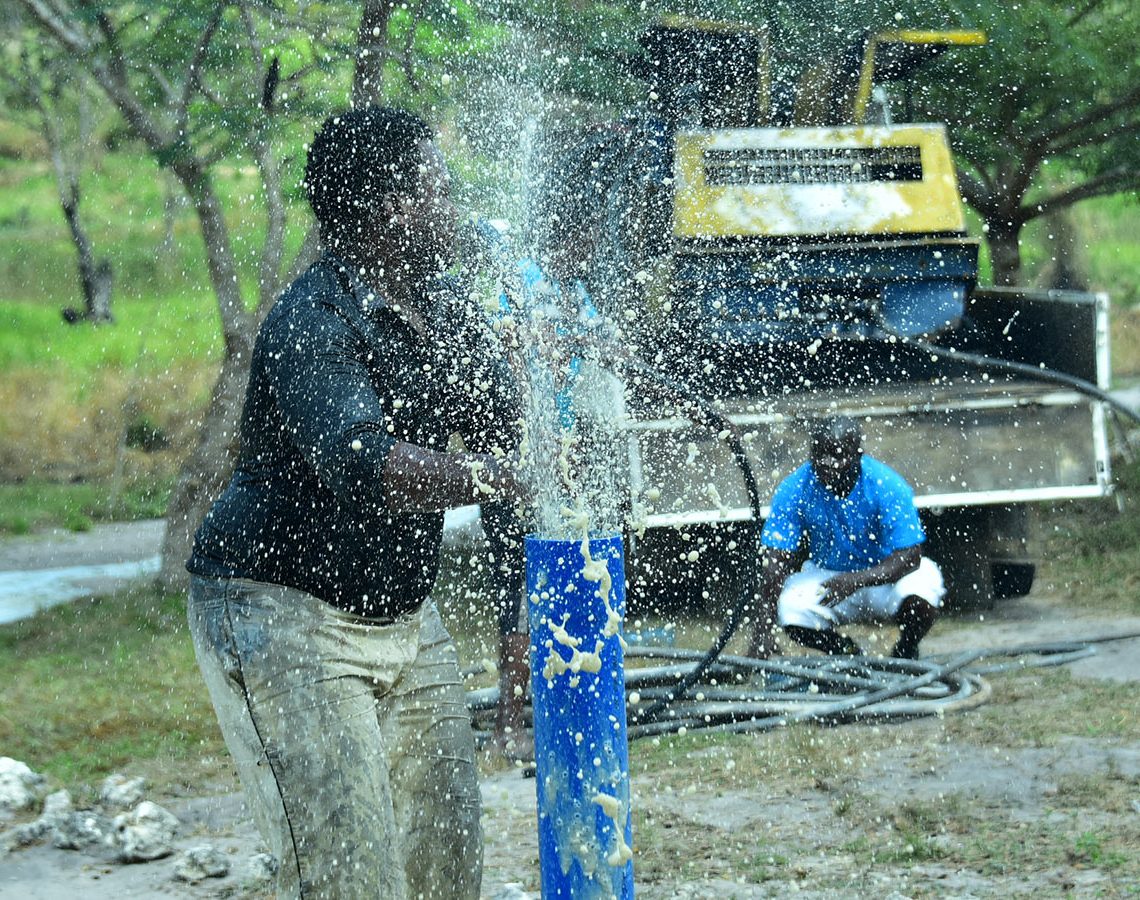
once the site survey is complete, ARF proceeds with well drilling. We engage experienced drilling contractors who specialize in water well construction. The drilling process involves using specialized equipment to bore into the ground until reaching underground water source. The depth of the well depends on various factors, including the water table level and geological conditions. ARF ensures that the well is drilled deep enough to access a reliable and sustainable water source that can meet the needs of the community.
Installations Including Solar, Plumbing, and Launching
After successfully drilling the well, ARF focuses on installing additional components to ensure efficient water supply and management:
Solar Panels
In areas where electricity supply is unreliable or nonexistent, ARF installs solar panels to power pumps that bring water from underground to the surface. Solar energy provides a sustainable and cost-effective solution for powering these pumps.
Plumbing
ARF ensures that proper plumbing systems are installed to distribute water from the well to various points within the community. This includes laying pipelines, constructing storage tanks if necessary, and establishing distribution points such as public taps or individual connections to households.
Launching Events
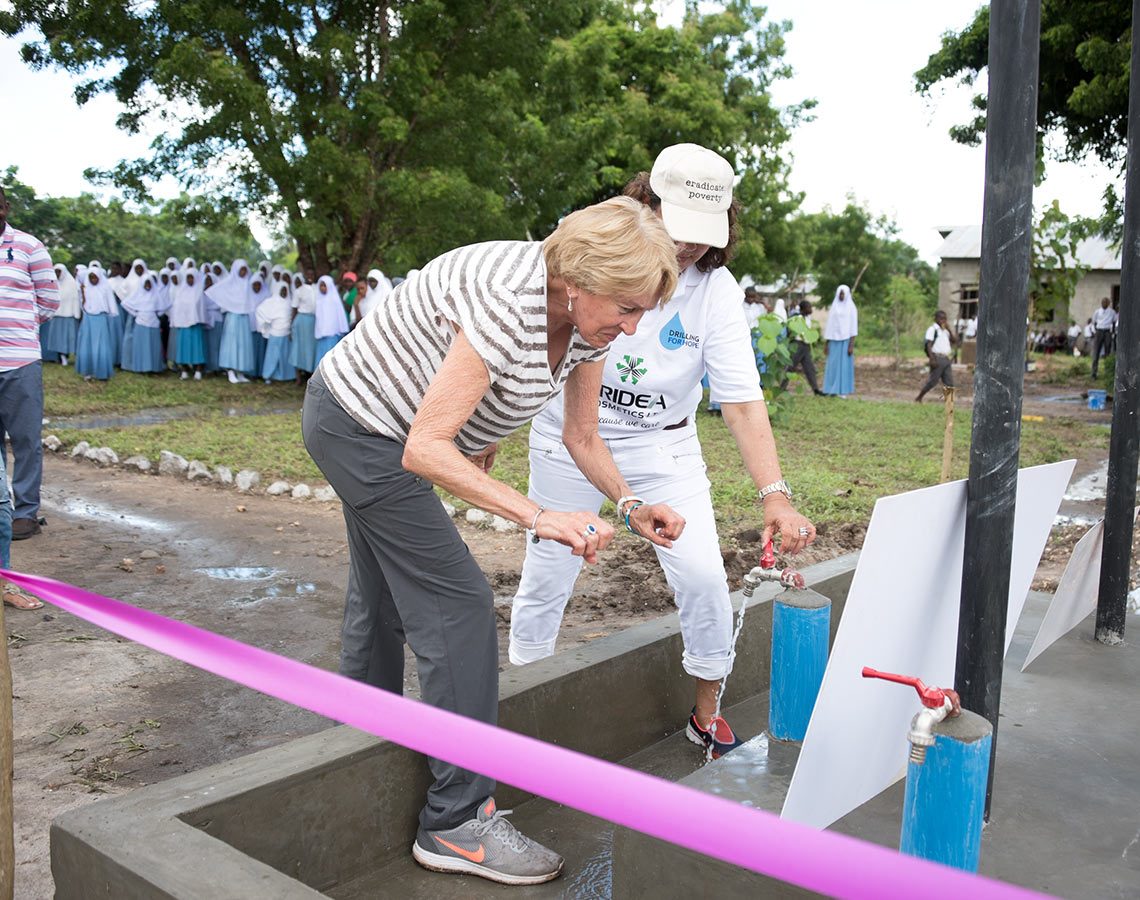
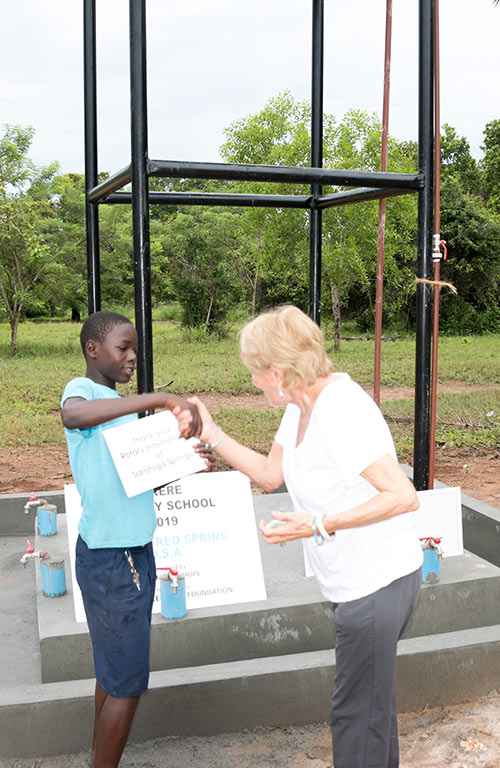
To celebrate the completion of the water well project and raise awareness about the importance of clean water, ARF organizes launching events in collaboration with the community and local authorities. These events often include speeches, cultural performances, and demonstrations of the newly installed water infrastructure.
By implementing these comprehensive steps, ARF aims to provide sustainable access to clean water for communities in need across Tanzania.